
The Complete Guide to Powered Pallet Truck Maintenance
A pallet truck that is powered is an essential piece of equipment in warehouses, factories, and distribution centres, where goods have to be moved securely and effectively all day. Since these machines are used in heavy loads and long working hours, the right care has a direct influence on performance, safety, and service life. Most of the breakdowns occur not due to production errors but due to the negligence or postponement of the routine maintenance. When the routine care is properly completed, the powered pallet truck will operate more efficiently and require less energy. It also minimises the risk of accidents brought about by the failure of the mechanism. That is why maintenance becomes not an option but a necessity of the daily routine.
How A Powered Pallet Truck Works
A powered pallet truck works with the cooperation of electric motors, batteries, hydraulic systems, and control elements, which combine their efforts to lift and move loads. The operator presses the controls, and the power is transferred to the motor and hydraulic pump through the battery. This gives the capability of lifting and lowering the forks. The steering system and wheels then enable the truck to navigate through narrow places. Due to the large number of parts being employed simultaneously, wear and tear are inevitable. This is the reason why a good pallet truck maintenance guide can be used to maintain all parts of it in good condition.
Daily Inspection Before Use
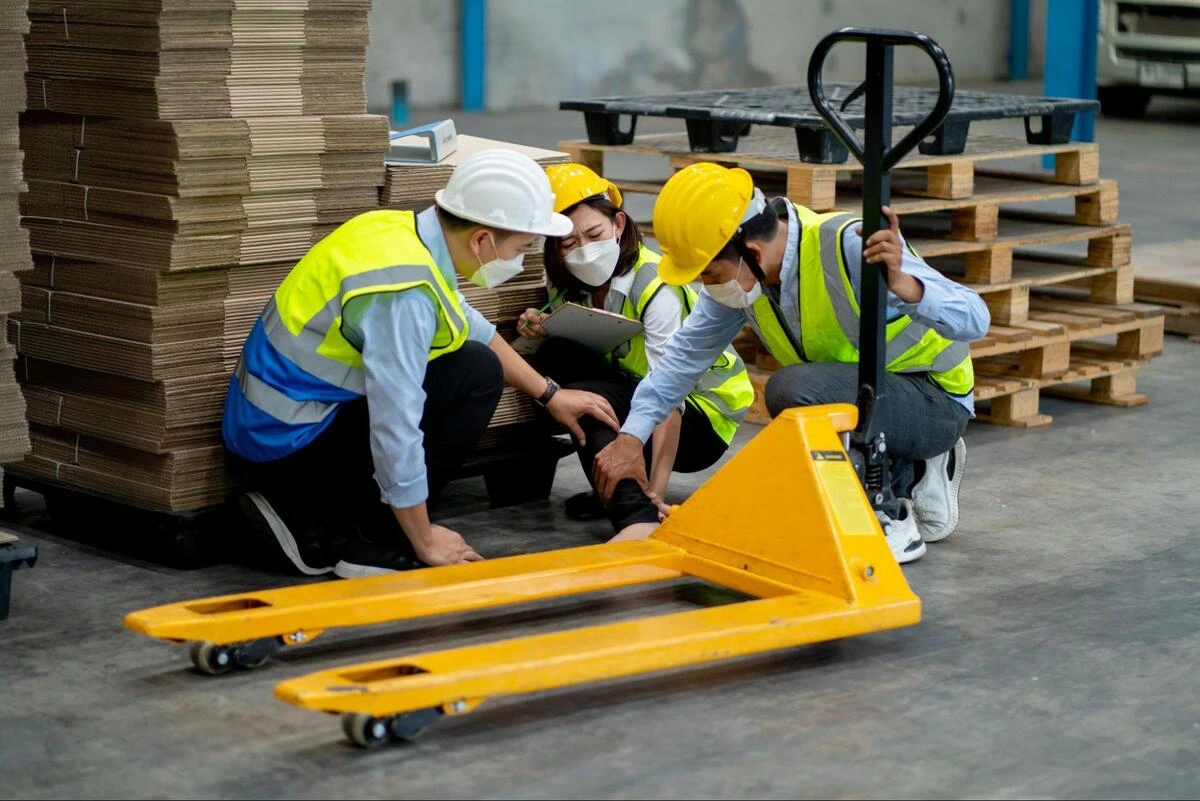
The initial measure in good pallet truck care is examination that should not be overlooked daily. Operators must inspect the forks to make sure they are free of cracks or bends before commencing work with them. They must also inspect the wheels to make sure that they are not overused or that they do not have any debris attached to them. The controls should be exercised to ensure that they are smooth to operate. The unusual sound or any vibration is to be noted. A one- or two-minute inspection will save the ailing of serious mechanical issues later on in the day.
Core Maintenance Procedures
1. Cleaning to Prevent Mechanical Damage
Washing is an easy yet effective component of pallet truck maintenance guidance routines. Electrical and mechanical components may be damaged slowly by dust, dirt, and spilt liquids. Wheel accumulation or body accumulation of dirt may increase friction and decrease efficiency. Frequent wiping of surfaces can be used to prevent corrosion. Cleaning also enables the operators to identify leaks or loose parts with ease. A clean, powered pallet truck will always work better and have a long duration.
2. Proper Lubrication of Moving Parts
The lubrication maintains the smooth operation of the parts and eliminates unwarranted wear. Wheel bearings, lift chains, pivot points, and many other components are to be well-lubricated. In its absence, metal components pass over one another, and they fade out in a short period. Adherence to a pallet truck maintenance manual will guarantee the appropriate kind of lubricant and quantity of lubricant. Excessive lubrication will lead to the attraction of dirt, whereas inadequate lubrication leads to friction. Balanced pallet truck maintenance maintains such systems running as desired.
3. Battery Care and Charging Protocols
A powered pallet truck has its backbone in the battery, and it should be handled carefully. To prevent overcharging and deep discharging, the batteries must be recharged as per the instructions of the manufacturer. Stable power flow can be enabled with clean battery terminals. The lead-acid batteries should have their water levels monitored frequently. Lack of battery maintenance causes low performance and low run time. A powerful battery will help with the stable day-to-day use.
4. Inspection of the Hydraulic System
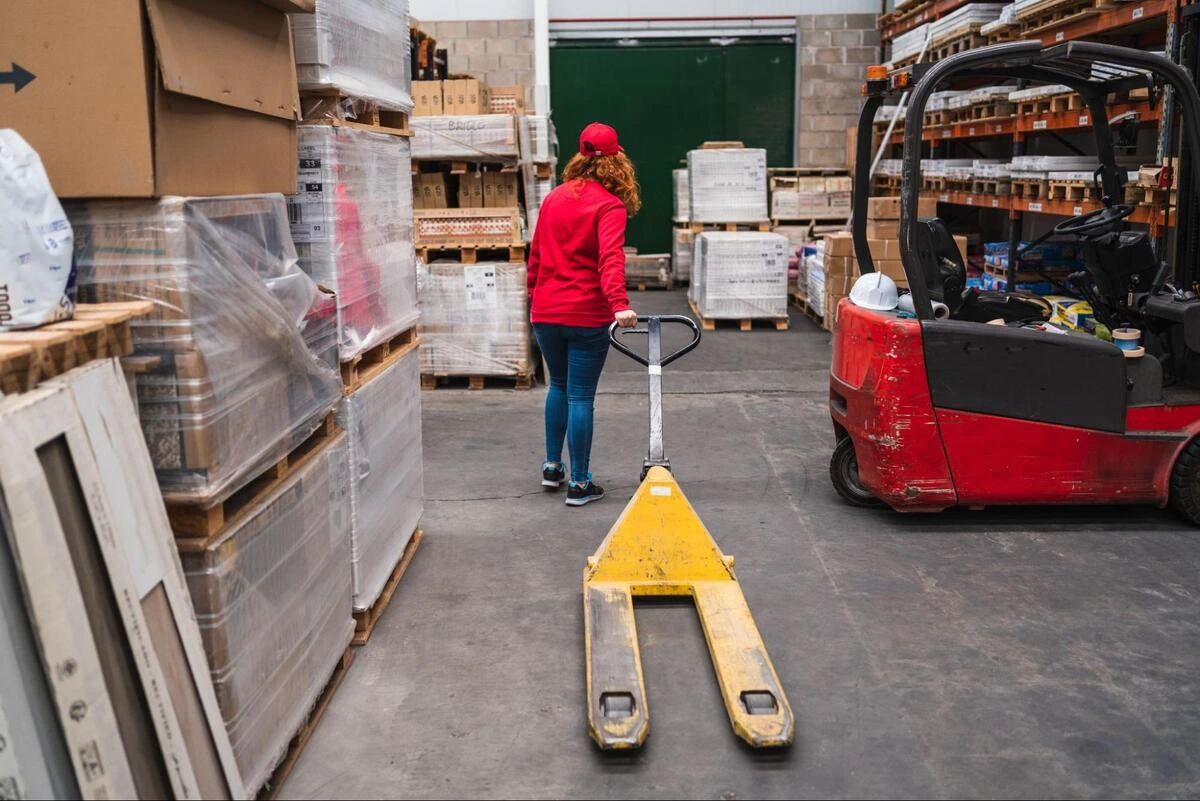
The hydraulic system regulates the up and down operations and needs to be checked frequently. It is recommended that operators should seek oil spills in the area of the hose and fittings. The level of hydraulic fluids must not exceed the recommended level. Slow or uneven lifting may result due to dirty or low fluid. An effective pallet truck maintenance manual will contain routine hydraulic examinations. With a healthy system, lifting operations are uninterrupted and are safe.
5. Checking Wheels and Brakes for Wear
Brake lower and wheels influence the movement and safety. Torn tyres may cause steering to be hard and take up more stopping distance. The brakes should work fast and be able to stop the truck in place. Common pallet truck maintenance is to inspect these components of the pallet truck to determine whether they are damaged or overused. Any alteration in the braking performance ought to be inquired about. Good brakes eliminate accidents and secure goods.
6. Electrical and Control System Testing
The system comprises electrical systems which consist of wiring, switches, and control boards, which drive the powered pallet truck. Sudden shutdowns may be caused by loose wires or faulty connectors. Controls must be touch-sensitive and predictable. A pallet truck maintenance manual suggests that these systems should be tested when conducting regular service. The electrical faults are detected early, thus saving on expensive repairs. It enhances the safety of operations as well.
Documenting Maintenance Activities and Logs
Maintaining records of the maintenance activities assists in tracking the state of a powered pallet truck over time. Inspection results, repair and replacement of parts should be recorded in logs. Such data assists technicians in their anticipation of future problems. It also facilitates warranty and service planning. Responsible pallet truck care involves good record-keeping. It makes one not forget anything significant.
Major Safety Measures for Pallet Truck Care
- Daily visual inspections
- Cleaning of all surfaces regularly
- Adequate lubrication of moving components
- Battery charging and checks
- Monitoring of hydraulic and brake systems
Overview: Maintenance Schedule and Benefits (Table Summary)
| Maintenance Area | What This Involves | Why This Matters |
|---|---|---|
| Inspection | Checking of forks, wheels and controls | Prevent sudden failures. |
| Cleaning | Eliminates dirt and spills | Covers Toyota forklift spare parts. |
| Lubrication | Greasing moving parts | Wear reduction. |
| Battery Care | Charged and terminal checks | Power maintenance. |
| Hydraulic Checks | Checks fluid and hose | Promotes easy lifting. |
Conclusion
A powered pallet truck is optimally operated when routine maintenance is given due seriousness and repeated. Applying a systematic pallet truck maintenance manual would assist companies in minimising downtime and save them money on unnecessary repairs. Basic procedures like cleaning, lubrication, and inspection are significant contributors to long-term reliability. Quality pallet truck maintenance also enhances safety at the workplace by eliminating the chances of mechanical breakdown. With all the systems taken care of, the truck is smooth and efficient. This also aids in the sustenance of productive operations and reliability.