
Forklift Inspection Checklist: What Operators Must Check Daily
In Singapore, it is a compulsory safety procedure that is undertaken by any forklift daily in the industrial, logistics or warehouse setting. These inspections are done to minimise accidents and to eliminate the risk of equipment malfunction, and to ensure expectations of workplace safety are met. An established inspection programme will assist in the detection of the fault before the commencement of the operations and is a way of keeping the forklifts safe for the operators and the workers around them. The daily checks also minimise the downtime due to unforeseen failures and can assist in maintaining regular performance during working hours. This article describes the methods of tackling everyday inspections, what needs to be checked, and why documentation is important. It is based on practical inspection steps applicable to normal operations.
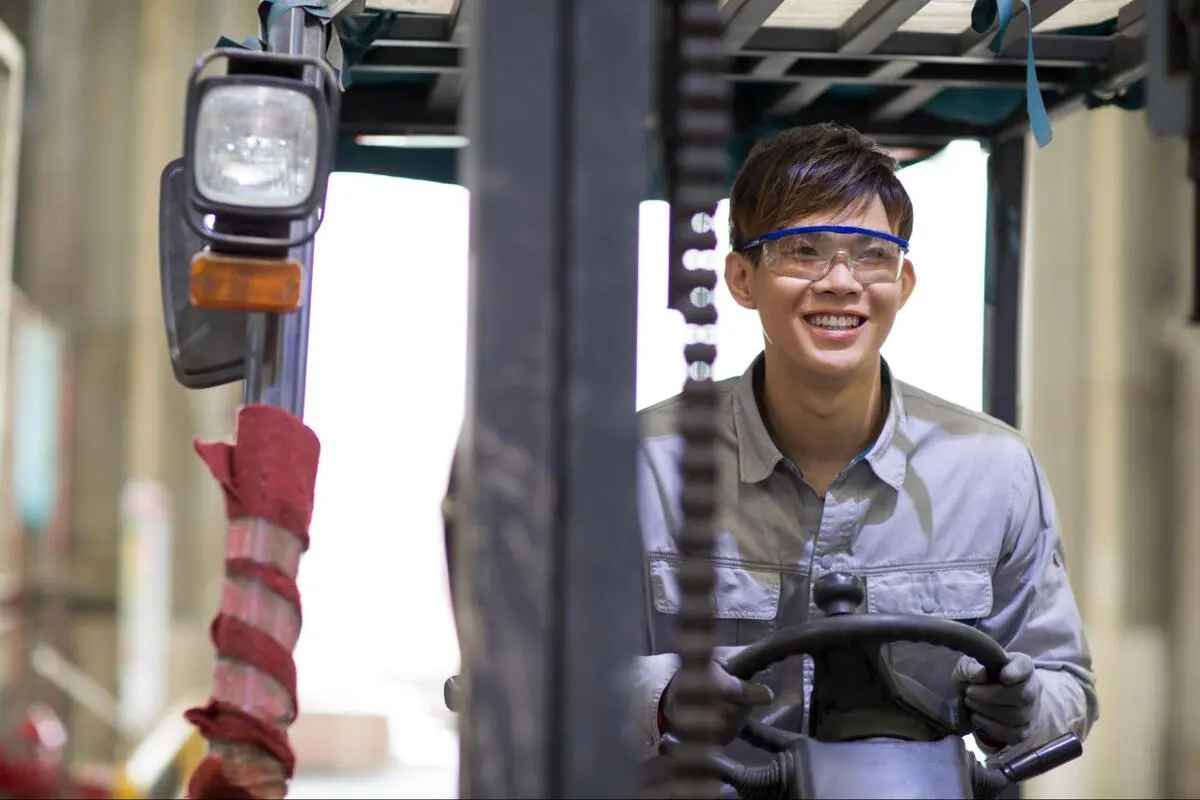
The Relevance of Daily Inspection of Forklifts in Singapore
All forklifts in Singapore should be inspected daily since their operating conditions are usually characterised by a lack of space, heavy loads, and movement. Our checks on forklifts are done on a daily basis in order to identify the initial signs of wear that might not be noticeable when servicing the equipment on a periodic basis. Even small problems like loose fittings or worn tyres can be turned into safety problems rather quickly. Forklift inspection that is done daily also helps in adherence to workplace safety standards and internal risk management policies. Frequent inspections minimise the chances of mechanical failure at any point in the process of lifting or transportation. Regular inspection processes instil accountability and enhance the general safety of the site.
Forklift Inspection Checklist: Pre-Start Inspection
To maintain a safe workplace, we utilise a comprehensive pre-start checklist that targets critical visual and mechanical components. Before commencing operations, follow these steps:
- Inspect Forks: Examine fork positioning for cracks, bends, or surface damage that could compromise load stability.
- Check Tyres: Identify unequal wear, cuts, or low pressure, as tyre condition directly impacts balance.
- Test the Mast and Chains: Ensure all moving Toyota forklift spare parts operate smoothly and carry sufficient lubrication.
- Monitor Hydraulics: Inspect hoses and fittings for leaks to prevent sudden lifting failures.
- Verify Signage: Ensure all warning labels and data plates are readable so operators can confirm safe load limits.
Using this checklist daily guarantees your forklift is always fit for operation.
Controls and Safety System Forklift Inspection Every Day
Testing the forklift’s internal systems is just as vital as the visual walk-around. To ensure your vehicle is ready for the shift, perform these active checks:
- Test the Brakes: Do a stop-test to ensure the brakes act smoothly without noise or lag.
- Evaluate Steering: Check for stiffness or excessive play to maintain maximum manoeuvrability.
- Check Alarms: Activate the horn and warning lights to ensure they can alert nearby pedestrians.
- Secure the Operator: Inspect seat belts for wear and tear, and verify that the locking mechanism functions correctly.
- Verify Emergency Stops: Test all emergency shut-off functions to ensure the forklift can be stopped at any moment.
Skipping these daily checks increases the risk of operator error and avoidable workplace accidents.
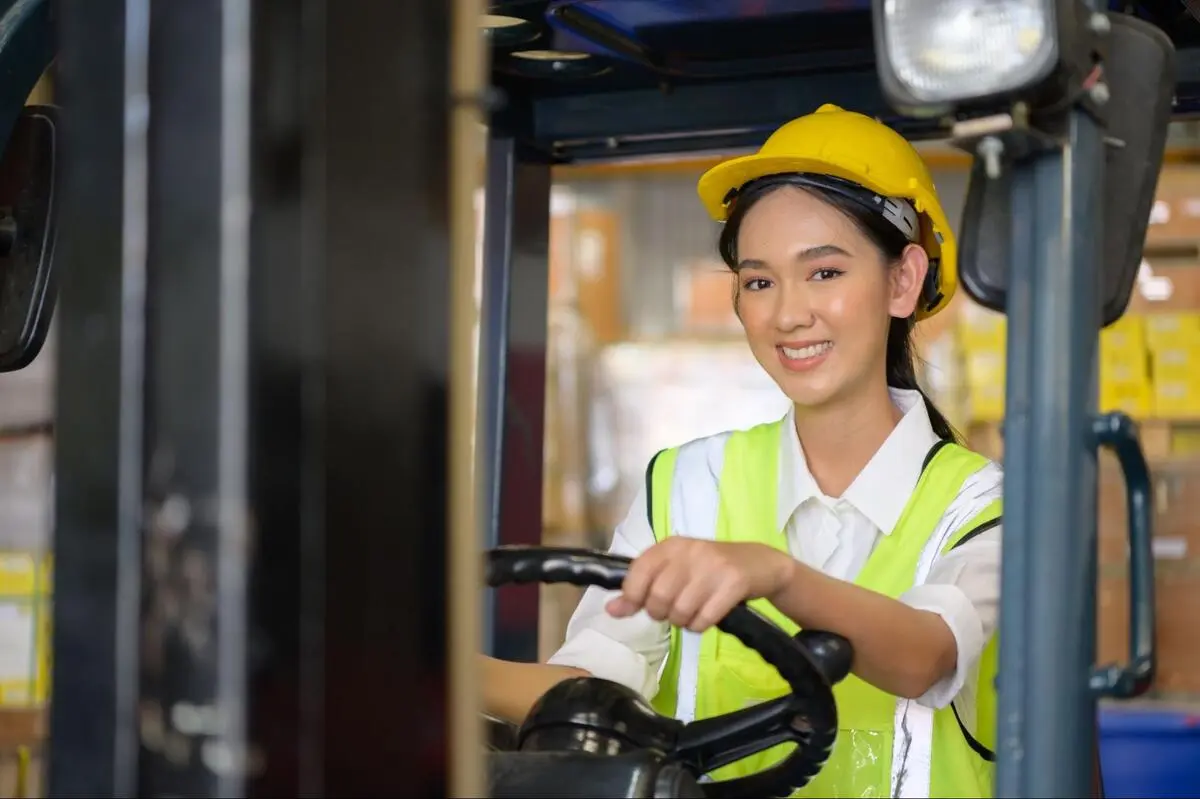
Post-Operation Checks and Reporting Process
Safety doesn’t stop when the work is done. Follow these post-operation steps to ensure your fleet is ready for the next shift:
- Secure the Vehicle: Park on level ground and lower the forks fully to the floor to avoid accidents.
- Power Down: Turn off battery-powered units and link them to chargers; inspect fuel-powered models for leaks.
- Log Defects: Note any mechanical issues or damage found during the shift in your inspection record immediately.
- Report Promptly: At UMW Equipment, we empower our maintenance crews to resolve problems as soon as they are reported.
Maintaining accurate records is the best way to support traceability and guarantee continued workplace safety.
Most Common Inspection Mistakes Made by Operators in Singapore
Inspection errors are found in Singapore despite already established procedures. One of the most frequent issues is rushing through checks due to time pressure at the beginning of the shift. Other operators assume the previous shift has completed a full daily forklift check and omit procedures. Small problems like strange sounds or minor leakages are overlooked and result in more extensive failures in the future. Another error is failure to record defects, which postpones repairs. The effectiveness of the forklift inspection checklist is reduced when it is used inconsistently. These errors can only be corrected through regular forklift training training and accountability.
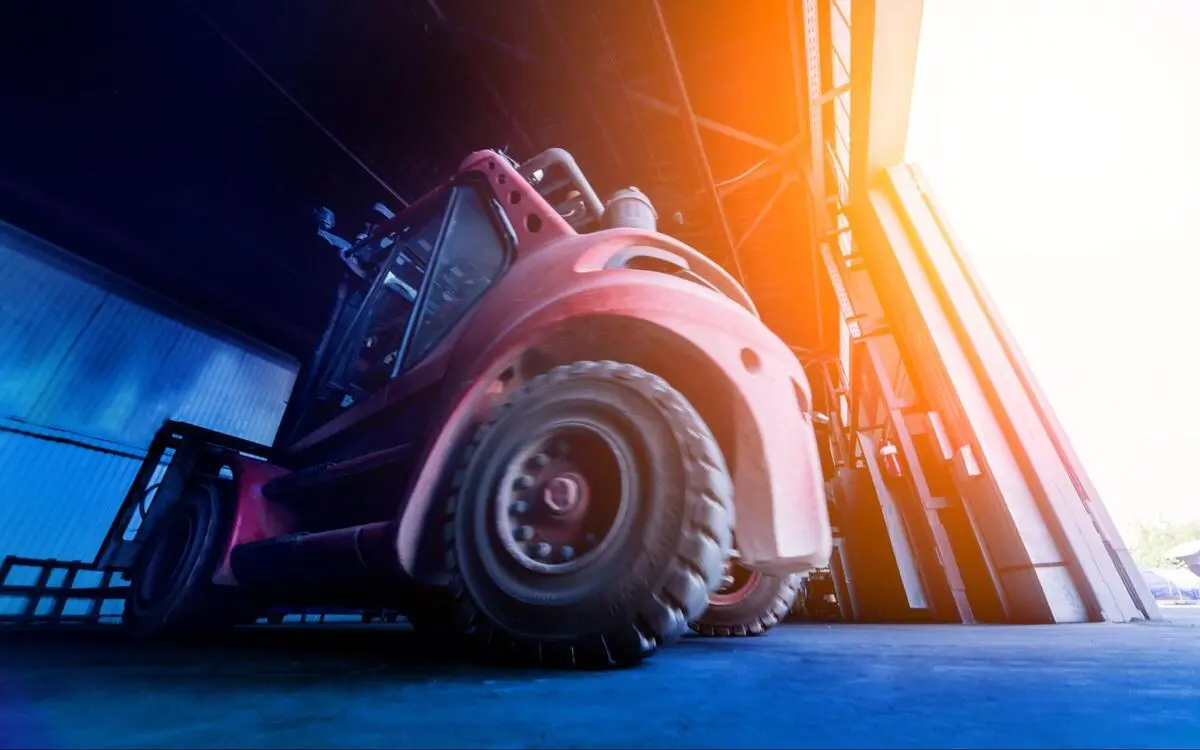
Basic Things in a Daily Check-Up Routine
Our day-to-day checking activity would always include the following:
-
- Fork condition, alignment, and surface damage
- Tyres, wheels, and wheel nuts
- Chains, mast, and hydraulic components
- Brakes, steering, and operating controls
- Horn, lights, and warning signals
- Seat belt condition and operator safety features
This checklist assists in maintaining consistency in all daily forklift inspection activities.
Common Daily Inspection Record Components
| Inspection Area | What Is Checked | Purpose |
|---|---|---|
| Forks and Mast | Cracks, bends, smooth movement | Load stability |
| Tyres | Pressure and wear | Balance and control |
| Hydraulics | TLeaks and hose condition | Lifting safety |
| Controls | Brakes and steering | Operator control |
| Safety Systems | Horn and lights | Pedestrian awareness |
| Paperwork | Inspection record | Maintenance records |
Conclusion
In the operation of a forklift Singapore, inspection is a key responsibility that must be carried out on a daily basis. We use formal inspection to look after operators, products and the workers around. The regular forklift checklist would help in tracking down problems before they manifest in the operations. Daily forklift inspection also supports compliance, minimises downtime, and strengthens workplace safety culture. When inspections are carried out carefully and documented correctly, forklifts remain reliable throughout the working day. This discipline helps ensure that all forklifts operate safely and effectively.