
How to Choose the Right Reach Truck for Your Warehouse
Selecting the proper reach truck for your warehouse is crucial to achieving smooth and efficient operations. These trucks are made especially to manoeuvre loads through narrow aisles and place products up high on racks, but since so many models exist, it gets overwhelming to determine which one would be ideal for you. Whether you have a small warehouse or a large distribution centre, understanding what’s most critical enables you to make a smart investment.
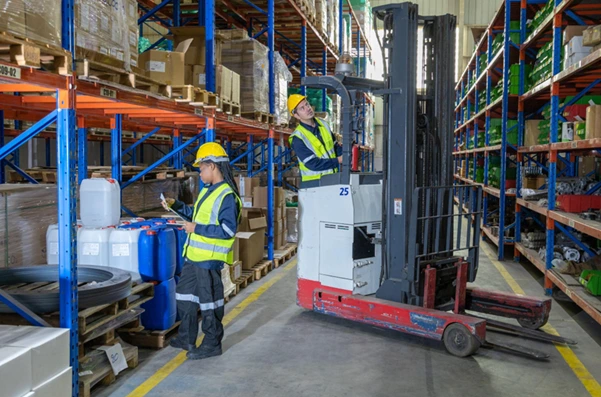
If an electric reach truck is on your mind, understanding your warehouse layout, load requirements, operator needs, and safety features will guide you to the right machine. The following are a few tips to consider so that you can select the right reach truck for your warehouse.
Warehouse Layout Receives Primary Consideration
First and foremost, carefully consider your warehouse layout. Not all reach trucks operate effectively in every warehouse, so it’s beneficial to know your space dimensions.
- Aisle Width: Note the tightest aisles where the truck will operate. Some reach trucks are built to operate in ultra-narrow aisles for ultimate storage density, while others operate better in wider aisles. Selecting a truck that is suited for your aisle width allows for comfortable manoeuvring with no risk of damage to walls or racks.
- Rack Height: Your rack height determines how high the reach truck needs to lift. Reach trucks have various maximum lift heights. You require a model that will be safely and efficiently able to reach your top shelves. Underestimating this will lead you to have an inventory access problem or be forced to purchase a second, taller truck in the future.
- Turning Radius: For warehouses that have tight corners or sophisticated layouts, a smaller turning radius is necessary. Trucks with tighter turning features have an easier time navigating obstacles, which boosts productivity and minimizes the possibility of accidents.
Measure your space accurately. Don’t presume a standard model will fit idealistically — a reach truck for lift tailored to your warehouse measurements will save money and time in the long term.
Know Load Capacity Requirements
The second fundamental factor is the capacity load that your reach truck must handle. Not all trucks handle the same loads, and matching capacity to your average loads is critical for both performance and safety.
Work out your maximum and average weights of stock. If you often carry heavier pallets or bigger items, choose a truck with a higher load capacity. And don’t forget, the higher you lift, the lower the safe load capacity, so take into account the weight and height combination.
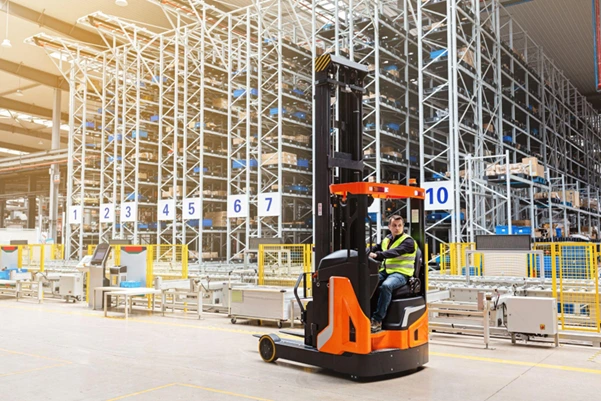
If you utilise attachments such as rotators or clamps, factor in their weight as part of your total load. Although it may be tempting to purchase a truck with the largest capacity possible, this introduces unnecessary expense. Choose a lift truck with a reach capacity that will suffice for your needs without overpaying for unnecessary capacity.
Battery Type and Runtime: The Key to Uptime
Battery life is an essential consideration in the choice of an electric reach truck for double shifts or long shifts in warehouses.
- Lithium-ion vs. Lead-acid Batteries: Lithium-ion batteries have become increasingly popular since they charge more quickly, last longer, and require less maintenance than traditional lead-acid batteries. Though lithium-ion units are more expensive to purchase upfront, their durability and lower operating expenses typically make them smarter long-term investments. Lead-acid batteries remain reliable and less expensive, but still need more maintenance and higher charging times.
- Charging Strategies: Consider how long your shifts last and whether you can charge trucks during breaks. Some models support opportunity charging, allowing you to top up batteries during short pauses without harming battery life. This feature maximises uptime, especially for warehouses operating around the clock.
Choose a battery type and capacity that keeps your electric reach truck running smoothly with minimal downtime, ensuring continuous productivity. In addition to reach trucks, think about complementing equipment such as a powered pallet truck or electric pallet truck to streamline low-level transport and reduce unnecessary reach-truck cycles.
Operator Comfort and Ergonomics Affect Efficiency
Operators’ comfort is a significant factor in their productivity. Ergonomically designed trucks reduce operators’ fatigue and improve safety for operators who work long duty hours.
Look for adjustable control positions, armrests, and seats that can be adapted to the operators’ comfort. Good visibility from the operator’s station improves safety while travelling through aisles and stacking loads. Elevated seating or specially configured angle masts on some trucks improve lines of sight.

Ergonomic design elements like low step-in heights are handy for operators in and out of the truck regularly, reducing strain and fatigue. Investing in ergonomic design in your reach truck improves operator satisfaction and reduces workplace injuries. To fully benefit from these features, combine equipment choice with formal forklift training so operators learn best practices for posture, controls, and safe handling.
Safety Features are Non-negotiable
Working with heavy loads at height is dangerous. New reach trucks include several safety features to protect operators, goods, and infrastructure.
Automatic speed slowing during turns or when lifting heavy loads enhances stability and reduces tipping danger. Stability control systems monitor the balance of the truck and make adjustments as necessary to maintain safe operations.
Warning lights, horns, and alarms signal workers in the surrounding area and prevent collisions in active warehouse settings. During your electric reach truck selection, place a high priority on these safety features to minimise downtime and expensive accidents.
Price and Value: More than Upfront Cost
Although budget is an issue, going for the lowest-priced reach truck generally means paying more in long-term ownership costs. Look for machines that offer the best value, a balance between cost and quality, reliability, and maintenance needs.
Look at the warranty terms and service contracts offered by the supplier. Regular servicing makes your reach truck last longer and run longer, which saves you money on repairs.
Based on your application, decide whether to purchase or rent a reach truck. Renting is ideal for using newer equipment without significant capital outlay, whereas purchasing is preferable for long-term, intense use. If budget is a concern, explore options such as used reach truck for sale Singapore — UMW Equipment offers inspected second-hand units that can provide strong value when matched with proper servicing.
Finding the Ideal Reach Truck
Picking the appropriate reach truck for lifting entails meticulous consideration of your warehouse, load demands, battery life needs, operator considerations, and safety concerns. Do not make this choice hurriedly; test drive models where possible and consult with suppliers familiar with your business.
A suitable electric reach truck can help increase warehouse productivity, reduce downtime, and improve safety. Through due research and smart decision-making, your warehouse process can become more streamlined and cost-efficient.
For expert advice and the best selection of reach trucks, contact UMW Equipment today. We stand ready to help you choose the right truck that suits your precise warehouse needs and advances your business growth. UMW Equipment also supplies complementary solutions such as powered pallet truck options and provides local forklift Singapore services to support equipment selection, testing, and long-term maintenance.