
Top Mistakes to Avoid When Using a Powered Pallet Truck
A powered pallet truck is a major component of the most convenient tools that are used in warehouses and factories. The device ensures the heavy lifting is done in a safe and quick way, hence it is time and energy-saving. Nevertheless, most users affect performance and safety, reduce efficiency, and damage the machine by making small yet serious mistakes. It is vital to know the right way of working with a powered pallet truck for smooth and safe work operations. Workers in the forklift Singapore, with proper training, especially through recognised forklift training programmes, can avoid such occurrences and maintain a safer environment.
Why Correct Use of a Powered Pallet Truck Matters
When operated properly, a powered pallet truck supports:
- Safer workplaces
- Smoother workflows
- Longer equipment lifespan
- Reduced maintenance and repair costs
Improper use can result in load instability, collisions, injuries, or damage to goods. Trained operators understand that safe operation is about more than simply moving items—it involves risk prevention, proper load handling, situational awareness, and consistent adherence to workplace safety standards.
Common Mistakes and Their Solutions
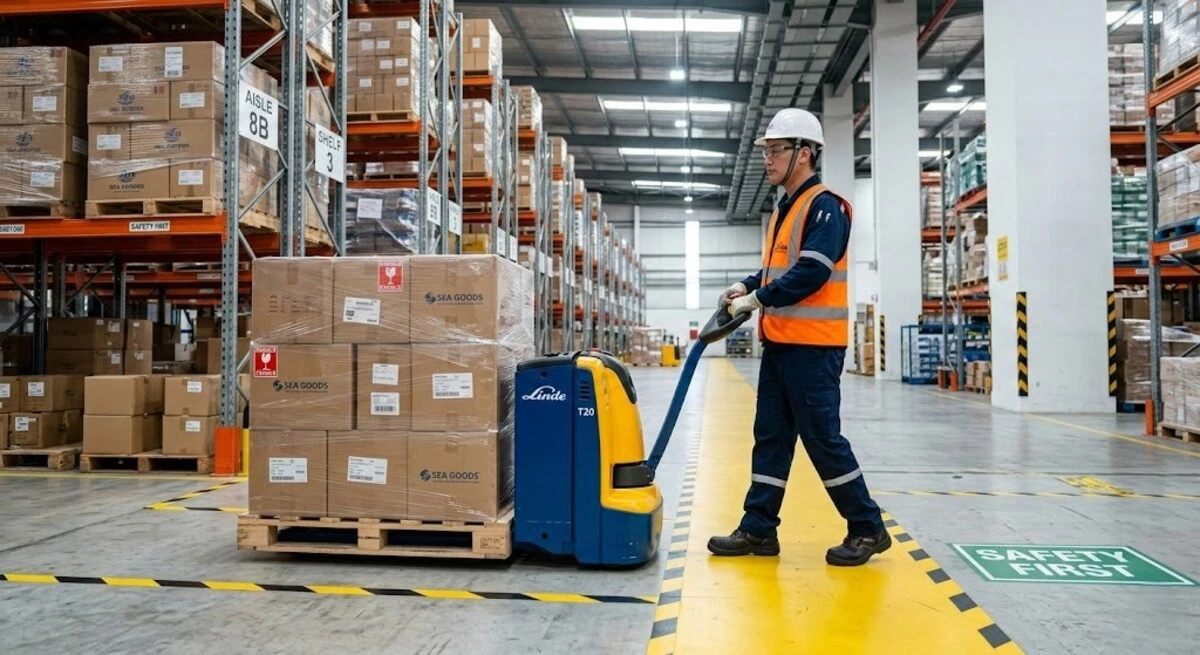
1. Incorrect Load Positioning
Problems may include:
- Placing the load off‑centre or stacked too high
- Ignoring damaged pallets (broken boards, loose shrink wrap)
- Exceeding the rated load capacity
Why it’s dangerous:
Incorrect load positioning can cause instability, tip‑overs, and damage to both goods and the machine.
What operators should do:
- Ensure the load is centred and stable
- Inspect pallets before lifting
- Check the truck’s load capacity plate
2. Poor Awareness of Surroundings
Common issues:
- Driving too fast in tight aisles or at blind corners
- Not checking behind before reversing
- Ignoring nearby pedestrians or other trucks
Why it’s dangerous:
Collisions, near misses, and damage to racking frequently occur due to poor situational awareness.
Operators should:
- Slow down in congested areas
- Use mirrors and look over your shoulder before reversing
- Maintain safe pedestrian‑truck separation
3. Operating on Inappropriate Surfaces
Risky behaviours:
- Using the truck on steep ramps with the wrong technique
- Driving over potholes, gaps, or uneven surfaces
Why it’s dangerous:
Instability increases dramatically on slopes or rough flooring.
Safe practices:
- Avoid slopes where possible
- If unavoidable, maintain slow, controlled movement
- Clear obstacles before operating
4. Incorrect Use of Controls
Common operator errors:
- Jerky acceleration or sudden braking
- Holding the tiller arm at the wrong angle reduces stability
- Parking without lowering the forks
Better habits include:
- Smooth, gradual movements
- Keeping the tiller at an appropriate operating angle
- Always lowering forks fully when not in use
5. Bad Battery‑Charging Practices
Frequent mistakes:
- Unplugging before a full charge
- Running the battery excessively low
- Ignoring damage, corrosion, or acid leaks (lead‑acid models)
Why it matters:
Poor charging reduces battery lifespan and impacts truck performance.
Operators should:
- Follow proper charging cycles
- Charge only in designated areas
- Report visible battery issues immediately
6. Lack of Pre‑Use Inspection
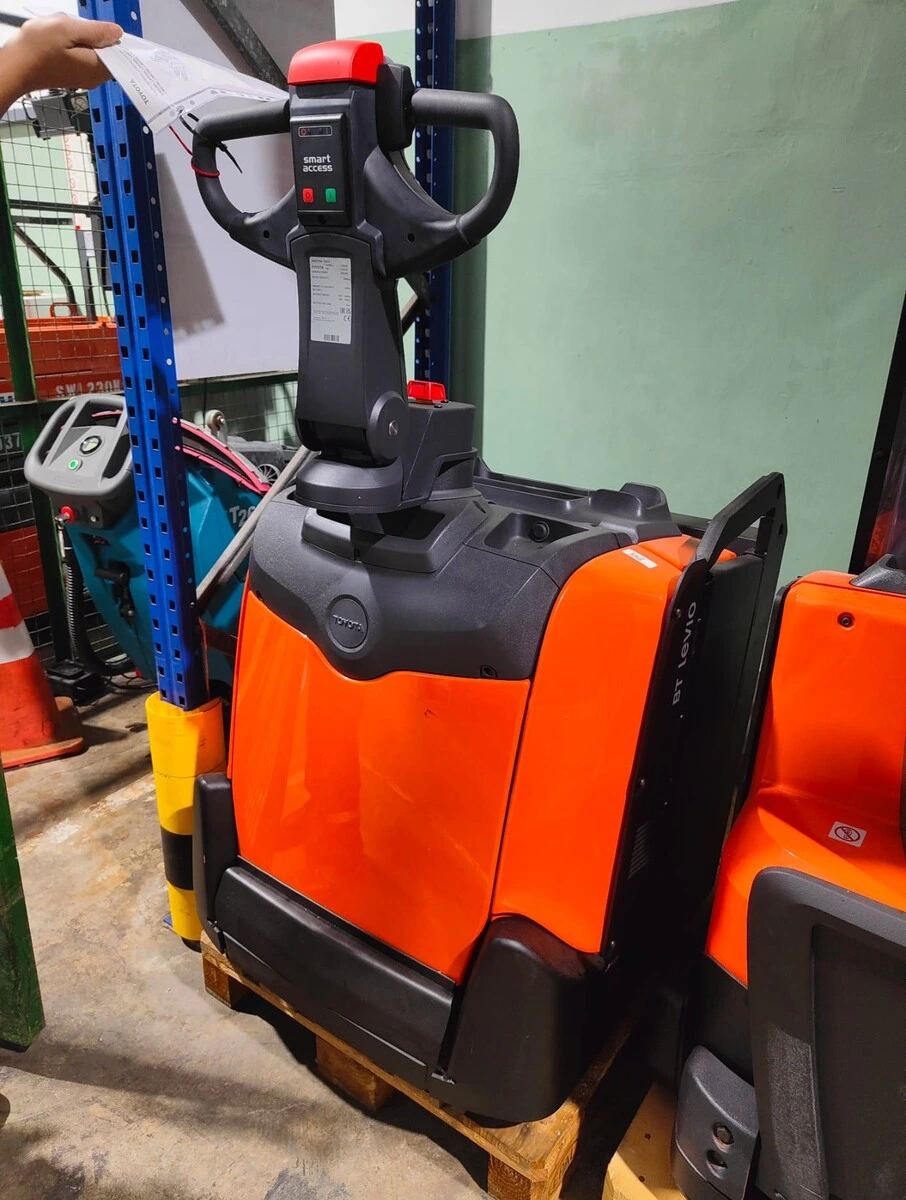
Items often skipped:
- Fork wear or cracks
- Wheel and roller condition
- Brake function
- Emergency stop button
Consequences:
Small undetected issues can lead to breakdowns or serious accidents.
Pre‑use checks should ALWAYS be done.
7. Unsafe Handling on Ramps
High‑risk actions:
-
- Pulling instead of pushing uphill
- Going too fast on slopes
- Turning while on an incline
- Using pallets or cages unsuitable for forks
How to stay safe:
- Always push uphill and pull downhill
- Maintain slow, controlled speed
- Keep the travel direction straight on slopes
8. Standing on or Riding the Truck (When Not Designed for It)
Unsafe practices include:
- Riding on walkie models as if they are rider trucks
- Allowing passengers
Why it’s dangerous:
Walkie powered pallet trucks are not built for carrying people — standing on them increases the risk of falls and tip‑overs.
9. Poor Ergonomics
Common ergonomic issues:
- Poor posture while steering
- Excessive physical effort in tight areas
Prevention tips:
- Maintain neutral wrist and arm positions
- Use proper turning techniques
- Request help for oversized or awkward loads
10. Lack of Operator Training
Common training‑related mistakes:
- Not understanding the truck’s limitations
- Poor knowledge of stability, load handling, and safe operation
Why training matters:
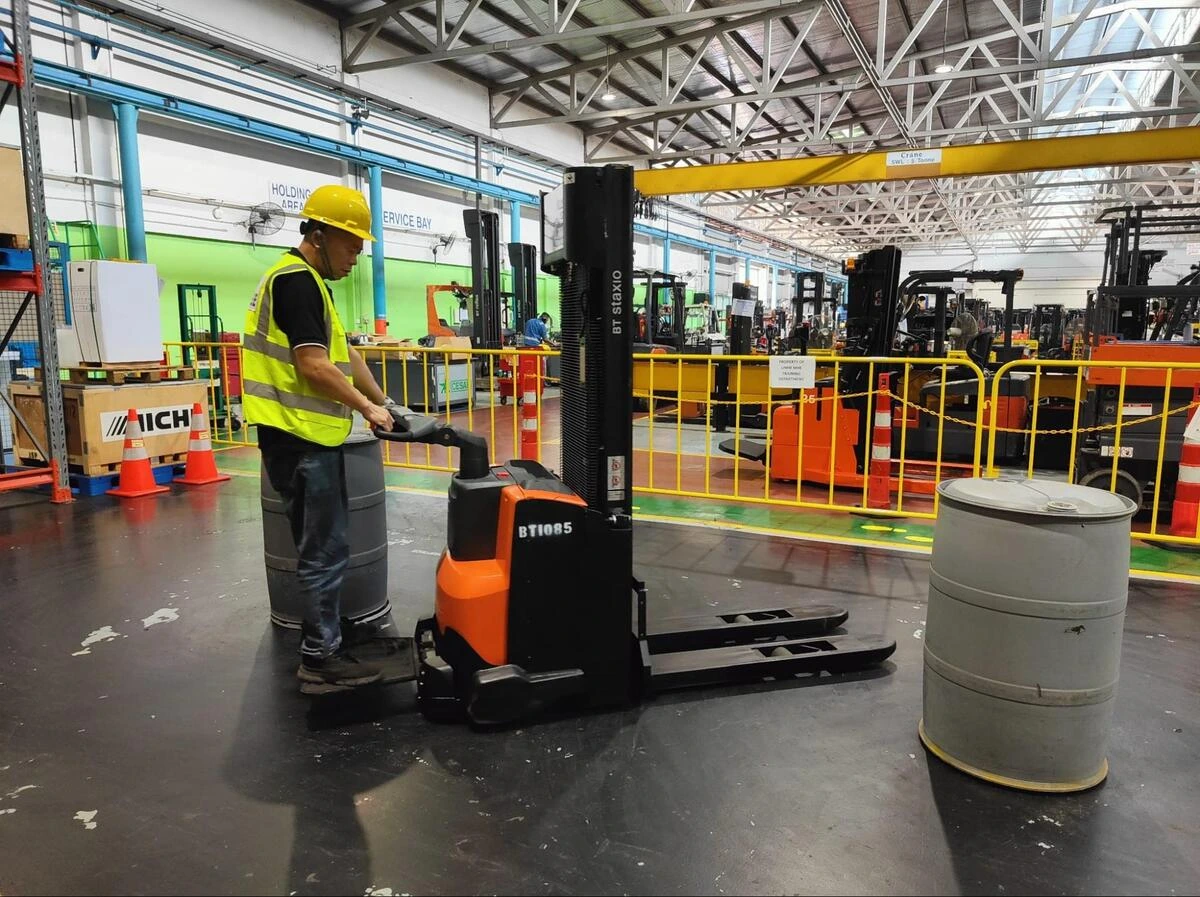
Properly powered pallet truck and forklift training reduces accidents, improves workflow, and keeps both staff and goods safe.
Conclusion
Avoiding powered pallet truck mistakes is simple when operators follow proper techniques, receive adequate training, and perform regular inspections. Good habits not only prevent injuries but also extend equipment life and improve warehouse efficiency.
Whether you are a new operator or an experienced warehouse professional, adopting safe operating practices ensures a smoother, safer, and more productive work environment.